
American Farriers Journal

View Archived Issues
December 2012
American Farriers Journal is the “hands-on” magazine for professional farriers, equine veterinarians and horse care product and service buyers.
-
Table Of Contents
Table Of Contents
 Shoeing for a Living
Shoeing Along the Colorado Front Range
Farrier J.D. Downs is becoming known for his work with reining horses, in part because he never hesitates to seek advice from his mentorsRead More
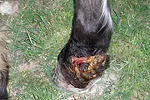
Wire Cut, Infection Takes 7 Years of Treatment
A serious pastern injury and later infection to the sensitive lamina almost cost a Quarter Horse its lifeRead MoreFarriers' Roundtables
What is the best way to trim and shoe a horse with contracted heels? It seems like I often see contracted heels along with a long-toe problem.Read More Horseshoeing Habits and Hardships
What You're Doing Today Affects Your Health Down the Road
Repetitive stresses, poor work habits and small injuries build up over time, creating damage you’re not aware of until it’s too lateRead MoreThe Hoof-Care Bottom Line40 Business Terms Farriers Need to Understand
Knowing the language of business helps you put your hoof-care business on sounder footing and improves communication with clients from a business background.Read More
Nothing Normal About Zoo Work
Working on the feet of wild animals is not only gratifying, but also very challenging and educationalRead More
There's More Than One Kind of Heel Pain
Farriers face heel problems almost daily, but it’s important to understand that there are different causes, requiring different approachesRead MoreGetting the Right Fit With Aluminum
Solid tips from people who have learned their way around working with these important shoesRead More
Understanding What You See Before, During and After
You can’t deliver hoof care without building a thorough and consistent system of evaluating horses’ feetRead More
A Day of Shoeing Backyard Horses Includes the Good and the Bad -- But Mostly Good
Pennsylvania farrier sees variety — in horses, barns as well as clientsRead More The Backyard Horse
When it’s Time to End a Business Relationship with Backyard Clients
The reasons may differ, but to have a long, prosperous career with backyard clients, it means you likely will have to fire some of themRead More
Tackling High-Low Syndrome From The High Side
Pennsylvania farrier finds focusing on getting upright hoof under control first helps bring the feet into closer symmetryRead More
THIS MONTH'S DIGITAL SPONSORS:
Top Articles
Current Issue
American Farriers Journal
American Farriers Journal is the “hands-on” magazine for professional farriers, equine veterinarians and horse care product and service buyers.
Thinking Beyond Breakover
Understanding Fall Equine Laminitis Risks
I Only Did What the Horse Owner Wanted: A Cautionary Tale
Current Issue

Special Report For Equine Veterinarians
American Farriers Journal is the “hands-on” magazine for professional farriers, equine veterinarians and horse care product and service buyers.
Must Read Free Eguides
Download these helpful knowledge building tools
- Spring Hoof Care
- Caring for Your Horse During a Pandemic
- CBD Products Have Promise for Farriers, but Buyer Beware
- Sharpening Knives with a Buffer
Videos

Organized & Efficient to Better Serve Farriers w/Oleo Acres: 2025 Supply Shop of the Year
Events
Foundations Clinic
Doc Foal's | The Black Pads

Sunrise Farrier Supply
We are here to support you.
We stock a wide range of high-quality products from trusted brands to ensure durability, performance, and reliability in every job you undertake. Our extensive inventory of horseshoe products and farrier tools means you can find everything you need in one place, saving you time and effort. Your satisfaction is our top priority. We are committed to providing excellent customer service, prompt shipping, and hassle-free returns.
