
In a first of its kind study of foot physiology conducted on more than 300 horses and ponies, the authors found that the shape of the coronary band is identical to the white line.
Using a 3 mm welding rod, the asymmetries of the coronary band were discovered to be identical to the asymmetries of the white line. This is generally related to the conformation of the limbs (Figures 1a & 1b).
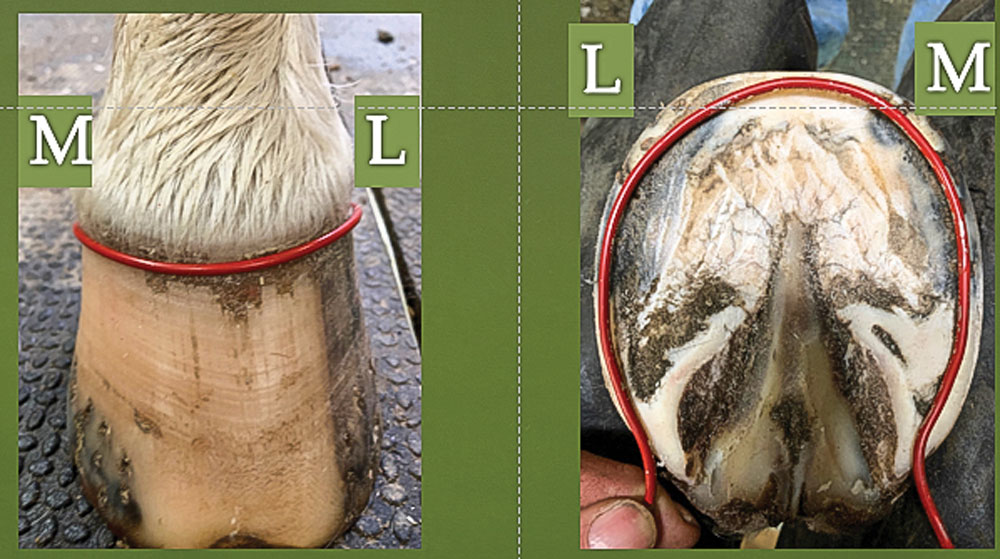
FIGURE 1a-b: The shape of the coronary band and the shape of the white line are identical. Images: Claude Lortie
By taking the footprint of the asymmetrical coronary band and inverting it by pairing opposite quarters, the egg shape (egg bar) is obtained.
The horse receives better balance and reduces stress, especially for horses with angular deviations or rotations. It allows better distribution of the loads in the support phase on the whole limb with a strongly asymmetrical foot (Figures 2a-e). This is why so many people have used egg bar shoes without necessarily being aware of it. There is also a 25 mm average difference in length between the diplomatic shoe rather than the egg bar.
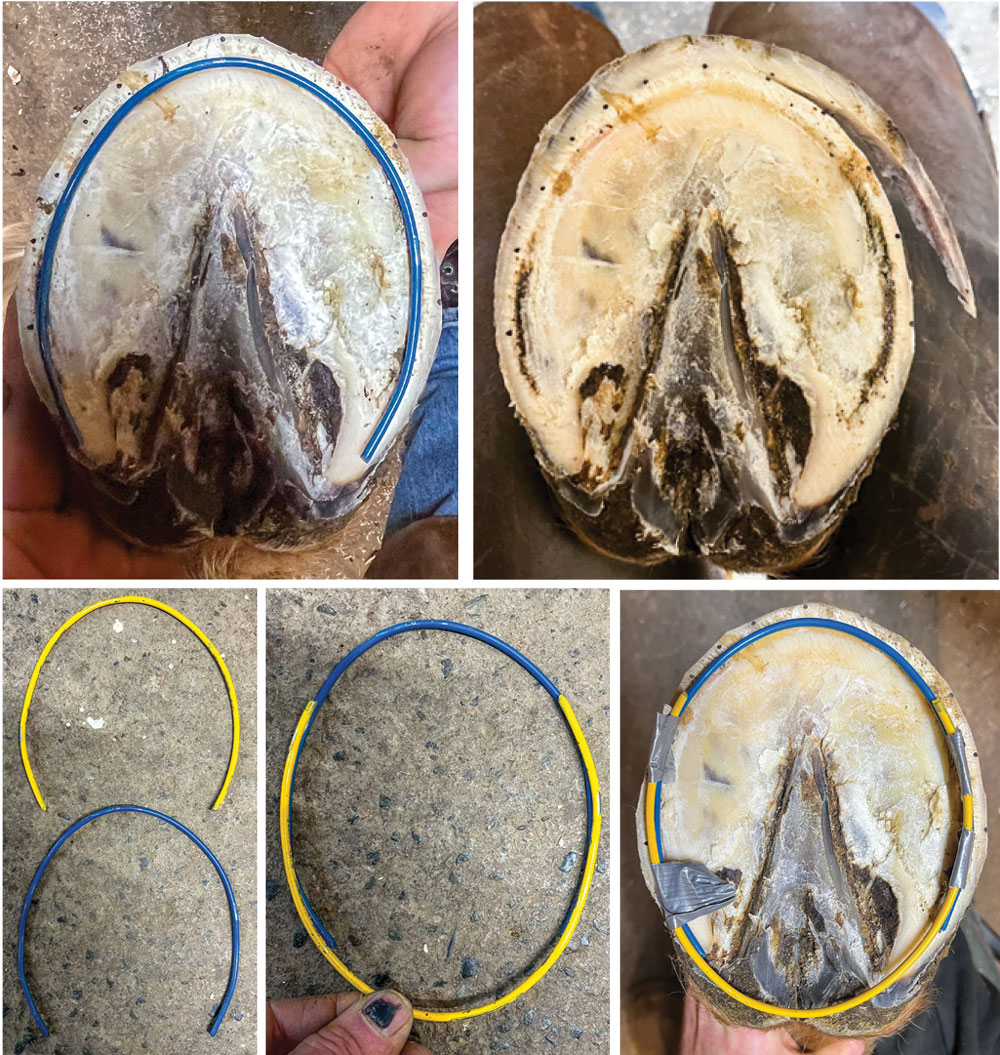
FIGURE 2a-e: The coronary band imprint and overlay have an egg bar shape.
This study validated the importance of analyzing the physiological asymmetry of the horse’s foot for shoe adjustment. Indeed, the farrier must take into account the deformations of the foot on the diagonal plane, especially when there are defects of angular conformations, or in rotation, since in the movement, the unwinding of an asymmetrical foot is done diagonally to the axis of the horse’s limbs, which causes significant stress on the digit. The impact is even more important on the circle since the horse is made to move in a straight line with the loads better distributed over the limb.
For more information on the biomechanics of the horse and the function of its anatomy, read the article “Optimizing Biomechanical Horseshoe Adjustment” by Claude Lortie and Dr. Andrianna Schwarzer featured in the June/July issue of American Farriers Journal.