Therapeutic Shoeing

Equine-Laminitis-Book-Screen-Shot.jpg
Book Review

Equine Laminitis

By James K. Belknap and Raymond J. Goer
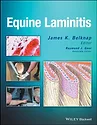
Renowned researchers James K. Belknap and Raymond J. Goer are the editors for the book Equine Laminitis, released in January 2017 by Wiley Publishing. This 472-page book is necessary for all equine practitioners, specifically all farriers, as well as equine veterinarians.
Read More

“Grooving” Away Hoof Cracks

An electrically-heated iron makes it easy to burn grooves into the hoof wall to halt the progression of cracks
One of the things I’ve always feared is dealing with hoof cracks, specifically toe cracks. Conventional crack treatment usually requires frequent monitoring and additional follow-up repairs.
Read More
From The Desk Of AFJ

Customer Service That Covers Your Back

The practice of farriery is one firmly based in tradition, yet modern solutions have provided farriers with more options for helping horses. Nailing on a steel shoe made from bar stock remains a helpful option for many hoof-care needs, but so do adhesives, urethane shoes and other contemporary tools.
Read More
IMG_2323-6.jpg

Fullering to Perfection

A few recommendations can help you efficiently crease handmade shoes
Keg shoes typically come with a crease in the ground surface, but are they worth the effort to craft into your handmade shoes? And if so, what are the keys to proper fullering? Chad Chance, a veteran farrier in Pilot Point, Texas, 30 minutes north of Dallas, creases 95% of his shoes and says, “I’m fullering every day.”
Read More
Fig1.jpg

An Overview of Equine Canker

This article provides a summary view of the diagnosis and treatment of this foot disease
Equine canker is a disease in search of a definition since the cause has not been determined. It could be described as a pathological response to an insult to the foot’s horn-producing tissues. Equine canker has been defined as an infectious process that results in the development of a chronic, hypertrophic, moist pododermatitis of the horn-producing tissues, generally in the palmar / plantar sections of the foot.
Read More
597_Wisconsin-Equine_JC_0218.jpg

No Bells and Whistles, Just Keep It Simple

Kentucky farrier eases heel problems and keeps performance horses in the show ring
Shoeing performance horses don’t require bells and whistles. Quite the contrary, says Lexington, Ky., farrier Bobby Menker. “Just keep it simple,” he told attendees at the Wisconsin Equine Clinic & Hospital in Ocon­omowoc, Wis. “We start at the coronary band and then try to build a base all the way down. This is what I like to build for.”
Read More
Fig1.jpg

“Miracle” Horse Competitively Jumps Despite Missing Part of Coffin Bone

New Jersey farrier creates shoeing package that keeps warmblood in the show ring
Czantis appears to be like any other equine athlete. Make no mistake, though, this 11-year-old gray gelding is rare. While Czantis has found modest success competing as an amateur hunter-jumper, the warmblood’s greatest achievement is that he’s in the ring at all.
Read More
Club_foot_radiograph2.jpg

Club Foot or Upright Foot? It’s All About the Angles

Proper diagnosis is important to determine a maintenance plan
It’s not uncommon to observe minor asymmetries in any horse’s feet. But when there is a significant difference between a pair of hooves, typically the front, the unevenness may be attributable to club foot. Club feet are estimated to be present in 5% to 20% of the equine population.
Read More

Top Articles

Current Issue

View More

Current Issue

View More

Must Read Free Eguides

Download these helpful knowledge building tools

View More
Top Directory Listings