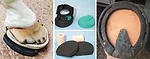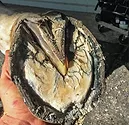
Therapeutic Shoeing

Web-Exclusive Feature

Circumstances in Which Walking Away from a Laminitis Case Might be in Your Best Interest

There are many circumstances in which vets and farriers need to work together for the best outcome for the horse. Disagreements may occur during these discussions of the best course to take. In speaking with Diego Almeida, CJF, of the Midwest Horseshoeing School and University of Illinois School of Veterinary Medicine about dealing with laminitis (September/October 2017, American Farriers Journal), he finds that it is imperative for the farrier to avoid misunderstandings with the vet by being prepared.
Read More
Open_Laminitis.jpg

The Cost of Treating Laminitis

A veterinarian and three farriers discuss the cost of treatment and how it affects their approach to helping the horse
Like any disease, treating laminitis comes at a cost. Usually it is the financial aspects that one — especially the client — considers. Cost for diagnosis and treatment may include radiographs, medicines, and the professional fees of the vet and farrier to name a few.
Read More
Open_Stumbling.png

“Diplomatic Skills” Needed When Stumbling is Due to Rider Error

It’s never easy to tell one of your clients to lose 150 pounds, buy a new horse with better conformation or to sign up for riding lessons
No farrier wants to have a tough client conversation about how rider error may be impacting a horse’s behavior. And when you have to be blunt and explain how rider error rider is the cause, it’s time to bring your “diplomatic skills” into play.
Read More
JRichardson_3.jpg

Migrating Clients Require Farrier Communication And Collaboration

As seasons change and horses move between locations, farriers in different states must work together to keep horse hooves healthy
Farriers spend a lot of energy, effort and expertise to keep their charges’ feet in tip-top shape so that their clients can continue year-round. Some farriers have clients who opt to migrate their horses to other locations beyond their “home base” for part of the year, such as those whose clients show during the winter in Florida.
Read More
317_Centaur_Forge_Clinic_JC_0916.jpg

Metallurgy: How Much Do You Need to Know?

While not necessary to shoe horses, a working knowledge of how steel is made and reacts to heat and pressure can make a good career great
If you’re a horseshoer, you work with metal every day. But how much do you have to really know about metallurgy — the science underlying the working of metal — to be successful? That might depend on how you define success and what kind of farrier you want to be.
Read More

Top Articles

Current Issue

View More

Current Issue

View More

Must Read Free Eguides

Download these helpful knowledge building tools

View More
Top Directory Listings