
American Farriers Journal

View Archived Issues
December 2020
American Farriers Journal is the “hands-on” magazine for professional farriers, equine veterinarians and horse care product and service buyers.
-
Table Of Contents
Table Of Contents


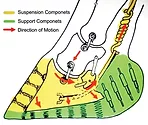
Enhance Healing by Understanding the Mechanical Thought Process in Equine Podiatry
Enhance healing by understanding the influences of trimming and shoeing for therapeutic purposesRead More
Upper Body Straightness is Key to Jumper Success
Wisconsin farrier relies on rockers and a two-plane approach to trimRead More
Successful Hoof-care Strategies for Off-the-Track Thoroughbreds
IHCS panel shares how they manage the challenges of former racehorsesRead MoreHorsemanship Skills are Key to Handling the Hind Feet
Ohio farrier says slowing down and listening to the horse are key to successfully get into the hind driving positionRead More
Suturing a Toe Crack After an Abscess
Helping a horse with a severe toe crack relies on weighing decisions throughout the processRead More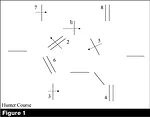
Farrier Influence on Movement has Show Ring Implications
Farrier and competition judge explains the role of trim and shoe selection on performance outcomes for hunters and jumpersRead More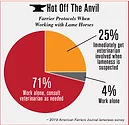

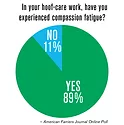
Tips for Identifying and Managing Compassion Fatigue
Emotional highs and lows of caring for clients’ horses can take a tollRead More
 Equine Reciprocating Systems
Hoof Trim has Varied Effects on the Equine Forelimb
Demonstrations and real-life examples challenge farriers to think about their approach to solving foot problemsRead More
Research Journal: December 2020
The information, ideas and opinions expressed are those of the author and do not necessarily represent those of the United States Department of Agriculture.Read More -
Featured Articles
Featured Articles
Upper Body Straightness is Key to Jumper Success
Wisconsin farrier relies on rockers and a two-plane approach to trimRead MoreHorsemanship Skills are Key to Handling the Hind Feet
Ohio farrier says slowing down and listening to the horse are key to successfully get into the hind driving positionRead MoreSuturing a Toe Crack After an Abscess
Helping a horse with a severe toe crack relies on weighing decisions throughout the processRead More - Digital Edition
-
Online Extras
Online Extras

THIS MONTH'S DIGITAL SPONSORS:
Top Articles
Current Issue
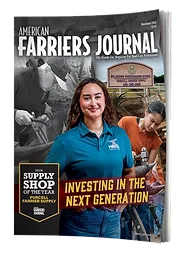
American Farriers Journal
American Farriers Journal is the “hands-on” magazine for professional farriers, equine veterinarians and horse care product and service buyers.
How Therapeutics & Equine Welfare Work Hand-in-Hand
Purcell Farrier Supply Earns Third-Annual Supply Shop of the Year
Purcell Helps Drive the Industry Forward
Current Issue

Special Report For Equine Veterinarians
American Farriers Journal is the “hands-on” magazine for professional farriers, equine veterinarians and horse care product and service buyers.
Must Read Free Eguides
Download these helpful knowledge building tools
- Spring Hoof Care
- Caring for Your Horse During a Pandemic
- CBD Products Have Promise for Farriers, but Buyer Beware
- Sharpening Knives with a Buffer
Videos

Organized & Efficient to Better Serve Farriers w/Oleo Acres: 2025 Supply Shop of the Year
Events
Foundations Clinic
Doc Foal's | The Black Pads

Sunrise Farrier Supply
We are here to support you.
We stock a wide range of high-quality products from trusted brands to ensure durability, performance, and reliability in every job you undertake. Our extensive inventory of horseshoe products and farrier tools means you can find everything you need in one place, saving you time and effort. Your satisfaction is our top priority. We are committed to providing excellent customer service, prompt shipping, and hassle-free returns.
