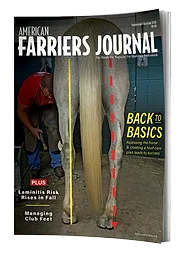
For more than two decades, the bright yellow “Briefings” page that regularly appeared in American Farriers Journal was among the publication’s most popular features. Now, we’re bringing back this valuable content that offers 4-5 quick-to-read items on the AFJ web site. “Hoof-Care Briefings” will be coming your way on the last Monday of each month, and highlight farrier tips, industry news, maybe a bit of shoeing history from time-to-time and insights of special interest to footcare professionals.
— Frank Lessiter, AFJ Editorial Director
Remembering Burney Chapman & His Reintroduction of Heart-Bar Shoes
Florida farrier Dave Farley recalls how International Horseshoeing Hall of Famer Burney Chapman popularized the heart-bar shoe back in the 1980s. Chapman and equine veterinarian George Platt found this shoe had many uses such as unloading the wall with frog support, floating or unloading troublesome areas of the hoof wall and addressing pain issues in the heel, navicular bone and bursa. Over a long shoeing career, the deceased Lubbock, Texas, farrier also demonstrated how this shoe could provide needed limb support when used as an egg bar heart-bar combination.
“Heart-bar shoes can be made with varying amounts of frog support,’” says Farley. “Some horses can’t take much positive pressure, but if the shoe is made and applied correctly, the weight placed on the frog rather than the hoof wall is comfortable for the horse.”
Quality Counts With a Full Book of Horses & 680 Christmas Trees to Sell
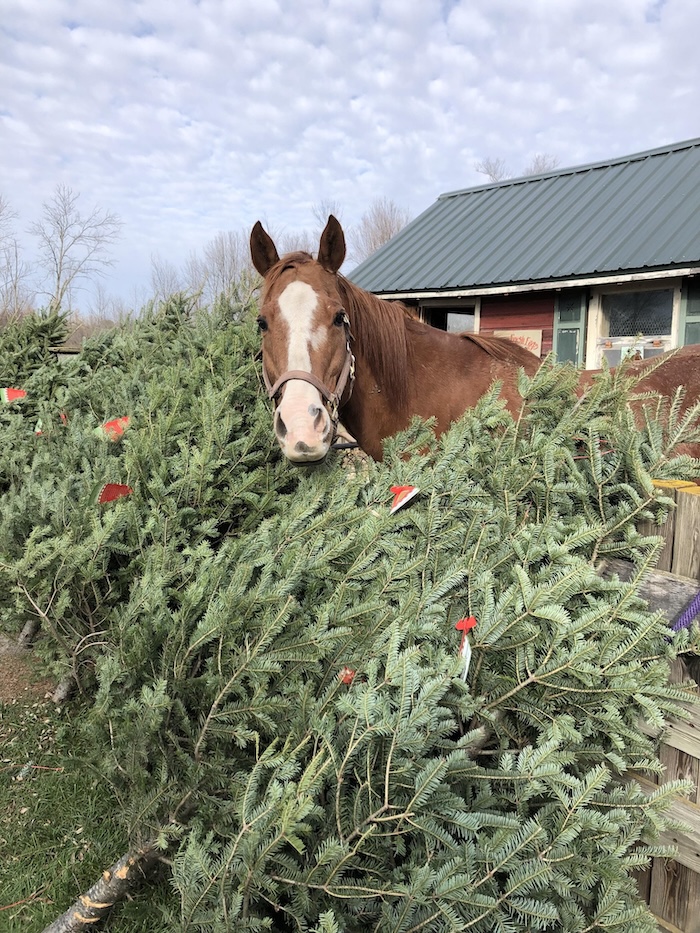
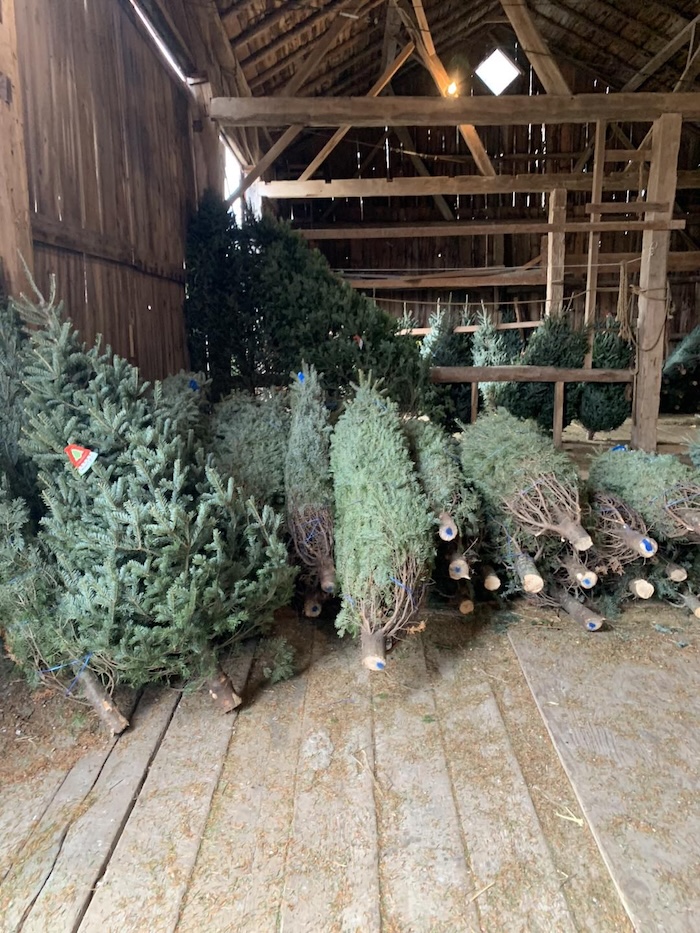
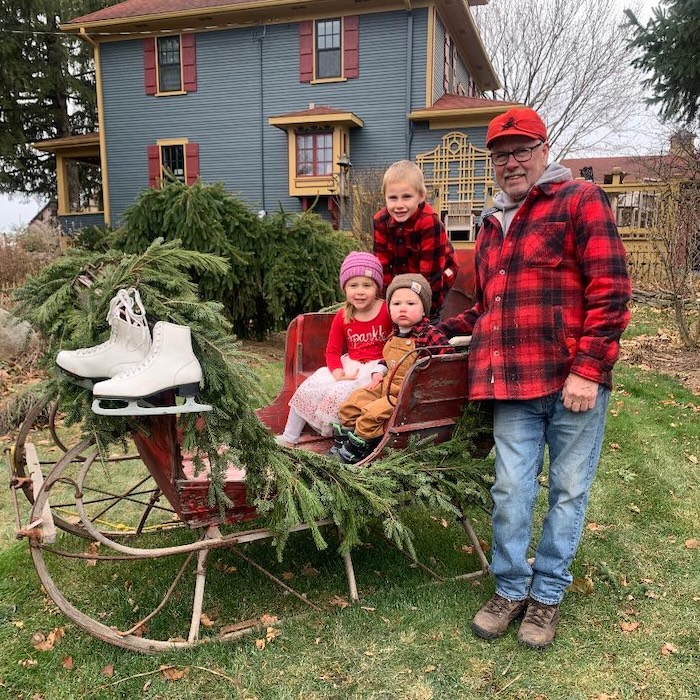
It’s late November and the busiest month of the year is coming up for semi-retired farrier Mike Ehlert of Hartford, Wis., who has shod horses for 54 years. While this farrier’s busy season was usually the summer months, the family opened Homestead Christmas Tree Farms 20 years ago to provide extra off-season income.
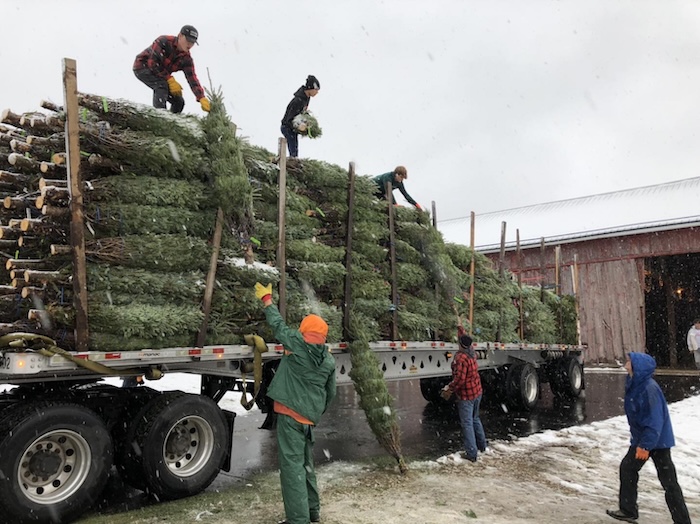
Operating the business with wife, Denise, they will sell 680 high-quality pre-cut trees during a 3-week period that gets underway each year on the Friday before Thanksgiving.
With trimming and shoeing being a service business where high-quality work is a key to success, Ehlert says it’s easy to relate the same “quality first” philosophy to the family’s tree business. Offering only top-notch Christmas trees purchased strictly from Wisconsin growers who strive for excellence keeps customers coming back year-after-year during the pre-holiday season.
Ehlert learned the farrier trade from the late International Horseshoeing Hall of Fame member Red Renchin, who also later served later in his career as technical editor with American Farriers Journal.
“I worked with Red for 5 ½ years,” he says. “Red constantly stressed the importance of providing a quality product, and we rely on this same high-quality approach when selling Christmas trees.”
After five decades of footcare work, Ehlert today only trims and shoes 14 favorite horses, just enough to keep him in involved with a career that has treated him so well. But for 3 weeks during the pre-Christmas season, those horses take a back seat as Ehlert concentrates on making the holiday season extra special for buyers of the family’s 680 fresh pre-cut trees.
To read how effective scheduling enabled Ehlert to plan a month’s worth of rest and relaxation each year during his lengthy footcare career, click here to read “Simple Scheduling Trick Nets Farrier 4 Weeks of Vacation.”
Late-Breaking News & Views …
To afford horses in tough economic times, a British survey shows 36% of owners have reduced their monthly food budget, 28% slashed vehicle costs and 24% even eliminated personal dental visits…Dairyman are losing an average of $337 per cow annually to lameness issues, resulting in an income loss of $23,590 with a 350-cow herd where 20% of the herd is lame...A 2025 survey by the Veterinary Jobs Marketplace indicates veterinarians earned a mid-range median salary of $151,000 in 2025, a 4.8% increase from 2024…Mississippi State University has broken ground on a new laminitis research center that will be headed up by French veterinarian Francois-Rene Bertin. Tuskegee University is taking legal steps to stop the American Veterinary Medical Association from stripping its veterinary school accreditation.
Shoeing Specifically for Different Ground Surfaces
While different racetrack surfaces get slammed for causing catastrophic injuries, shoeing for the exact surface where horses work can help prevent future issues. University of California-Davis researcher Susan Stover says a harder or stiffer track surface increases the forces on soft tissue structures that support the fetlock. This can help avoid transferring these forces to the limb’s bony column.
Her extensive research has shown the hoof moves much differently on a synthetic track surface when compared to a more traditional surface. The sticker synthetic surface often results in a shorter hoof slide and less limb support. With dressage horses competing on a synthetic surface, Stover has also found that riders and trainers can expect a stiffer and harder extended trot, which often leads to extensive suspensory apparatus injuries.