
American Farriers Journal

View Archived Issues
January/February 2013
American Farriers Journal is the “hands-on” magazine for professional farriers, equine veterinarians and horse care product and service buyers.
-
Table Of Contents
Table Of Contents
 Shoeing for a Living
Third Career is a Charm
California farrier Donnie Karr was 34 before he started his shoeing career, but he’s found that the job fits him as well as he fits shoesRead More
Hoof Care and Broodmares
Added weight and hormonal changes during pregnancy cause challenges for these horses and the farriers who care for themRead More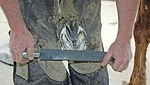 The Hoof-Care Bottom Line
10 Things to Do to Turn Slow Times Into Productive Times
The winter blahs may cut into your shoeing revenues, but don’t let them stop your efforts to grow your business and improve your skillsRead More
Shoeing Real Cow Horses
Hoof care at feedlots isn’t glamorous, but it does provide steady work and income if you can deal with less-than-ideal conditionsRead MoreHorseshoeing Habits and HardshipsHow Your Environment and Equipment Affect Your Health Down the Road
A long career in farriery means it is never too early to evaluate the tools and environment of your workRead MoreBranding Your Farrier Practice for Success Down the Road
Branding may be one of those marketing buzzwords, but applying its basic concepts to a farrier practice can pay offRead More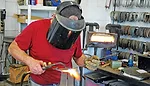
Sorting Out Your Welding Choices
With lots of options, the key is finding the system that best fits the needs of your practice and the limits of your pocketbookRead More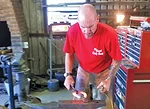
Texas Farrier's Timesaving Tips
A few minutes spent organizing and planning your shoeing day will get you home earlier and feeling betterRead More The Backyard Horse
Information for you to Share with Your Backyard Horse Clients
In 2013, American Farriers Journal will help you educate your novice clients on the importance of regular hoof careRead MoreYou and Your Horses's FeetThe Basics of Hoof Care
What you need to know about keeping your horses feet healthyRead More
The Farrier and Radiographs
X-ray machines are probably never going to become standard equipment on shoeing rigs, but the information gleaned through this technology can help you provide better hoof care and improve your standing in the eyes of your clientsRead MoreManipulating Foot Function
While the impact of shoeing on foot function is well documented, the biomechanics aren’t as easily understoodRead More
50 Best Farrier Takeaways of 2012
A look back at some of the top tips that hoof-care professionals shared in the pages of AFJ during the past yearRead More Spotlight on Hoof Care
Three Farrier Associations Team Up for the Southeastern Triple Crown Series
Read More
THIS MONTH'S DIGITAL SPONSORS:
Top Articles
Current Issue
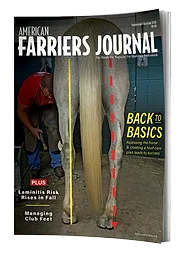
American Farriers Journal
American Farriers Journal is the “hands-on” magazine for professional farriers, equine veterinarians and horse care product and service buyers.
Thinking Beyond Breakover
Understanding Fall Equine Laminitis Risks
I Only Did What the Horse Owner Wanted: A Cautionary Tale
Current Issue

Special Report For Equine Veterinarians
American Farriers Journal is the “hands-on” magazine for professional farriers, equine veterinarians and horse care product and service buyers.
Must Read Free Eguides
Download these helpful knowledge building tools
- Spring Hoof Care
- Caring for Your Horse During a Pandemic
- CBD Products Have Promise for Farriers, but Buyer Beware
- Sharpening Knives with a Buffer
Videos

Organized & Efficient to Better Serve Farriers w/Oleo Acres: 2025 Supply Shop of the Year
Events
Foundations Clinic
Doc Foal's | The Black Pads

Sunrise Farrier Supply
We are here to support you.
We stock a wide range of high-quality products from trusted brands to ensure durability, performance, and reliability in every job you undertake. Our extensive inventory of horseshoe products and farrier tools means you can find everything you need in one place, saving you time and effort. Your satisfaction is our top priority. We are committed to providing excellent customer service, prompt shipping, and hassle-free returns.
