
American Farriers Journal

View Archived Issues
May/June 2021
American Farriers Journal is the “hands-on” magazine for professional farriers, equine veterinarians and horse care product and service buyers.
-
Table Of Contents
Table Of Contents
Farrier Professionalism is Improving
An increased emphasis on education and communication in the industry are listed among top reasons for the improved attitudes about hoof-care professionalsRead More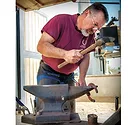 Shoeing for a Living
Arizona Farrier Rises to Dry-Heat Hoof-Care Challenges
A sharp knife and a sharper mind are among the tools used by Shaun Woodsum in his farriers businessRead More
There’s More to Toe Length than Meets the Eye
Toe length is relative to each horse and many factors should be considered for what is best for a particular horseRead MoreEvidence-Based Prevention of Laminitis in a Clinical Setting
University of Pennsylvania veterinarian and researcher Andrew van Eps shares what works in laminitis prevention, of which our understanding will changeRead More
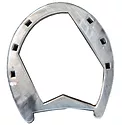
How to Achieve the Benefits of a Frog Support Horseshoe
Intermediate to skilled farriers are well-positioned in therapeutic casesRead More
Farriers Should Not Sedate Clients’ Horses
An improper injection can lead to significant medical and legal liabilitiesRead More
Learn Where Your Forging Motivation Comes From
Identifying what encourages you to improve will help you accomplish your goalsRead More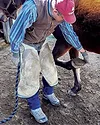
Set the Horse and Farrier Up for Success
Ohio shoer has a system for picking up the front foot that puts a horse at ease and increases efficiencyRead More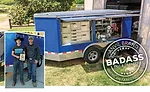 Badass Rigs & Trailers
Farrier’s Trailer Built by FFA Students
Texas horseshoer Don Mock hauls a slick, functional trailer that was built by teenage brothers as a school projectRead More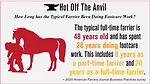
Research Journal: May/June 2021
The information, ideas and opinions expressed are those of the author and do not necessarily represent those of the United States Department of Agriculture.Read More -
Featured Articles
Featured Articles
Badass Rigs & TrailersFarrier’s Trailer Built by FFA Students
Texas horseshoer Don Mock hauls a slick, functional trailer that was built by teenage brothers as a school projectRead MoreHow to Achieve the Benefits of a Frog Support Horseshoe
Intermediate to skilled farriers are well-positioned in therapeutic casesRead MoreShoeing for a LivingArizona Farrier Rises to Dry-Heat Hoof-Care Challenges
A sharp knife and a sharper mind are among the tools used by Shaun Woodsum in his farriers businessRead More - Digital Edition
-
Online Extras
Online Extras

THIS MONTH'S DIGITAL SPONSORS:
Top Articles
Current Issue
American Farriers Journal
American Farriers Journal is the “hands-on” magazine for professional farriers, equine veterinarians and horse care product and service buyers.
How Therapeutics & Equine Welfare Work Hand-in-Hand
Purcell Farrier Supply Earns Third-Annual Supply Shop of the Year
Purcell Helps Drive the Industry Forward
Current Issue

Special Report For Equine Veterinarians
American Farriers Journal is the “hands-on” magazine for professional farriers, equine veterinarians and horse care product and service buyers.
Must Read Free Eguides
Download these helpful knowledge building tools
- Spring Hoof Care
- Caring for Your Horse During a Pandemic
- CBD Products Have Promise for Farriers, but Buyer Beware
- Sharpening Knives with a Buffer
Videos

Organized & Efficient to Better Serve Farriers w/Oleo Acres: 2025 Supply Shop of the Year
Events
Foundations Clinic
Doc Foal's | The Black Pads

Sunrise Farrier Supply
We are here to support you.
We stock a wide range of high-quality products from trusted brands to ensure durability, performance, and reliability in every job you undertake. Our extensive inventory of horseshoe products and farrier tools means you can find everything you need in one place, saving you time and effort. Your satisfaction is our top priority. We are committed to providing excellent customer service, prompt shipping, and hassle-free returns.
