Diseases

Horse Conformation Determines Best Trimming and Shoeing Approaches

Farriers should abandon one-size fits all solutions to navicular
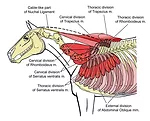
During my shoeing career I have recognized that the common and consistent shoeing prescription of egg-bar shoes and wedge pads is not beneficial for all horses diagnosed with navicular. In some horses this protocol provides temporary relief, after which the condition can worsen. In other horses, there is no improvement.
Read More
Farrier Tips

Eliminate Mold by Flash Soaking Hay

To eliminate mold commonly found in hay bales, West Chester, Pa., equine veterinarian Frank Reilly suggests “flash soaking” — tearing pieces of hay off of the bale, putting them in a hay net and then under a heavy rock in a bucket of water for 10 minutes. Studies have shown this reduces the organic dust count, he says.
Read More
Samuel_David_Rice.jpg

Copper Sulfate Use by Farriers Raises Safety Concerns

The common thrush treatment can be dangerous to farriers, horses and the environment
When providing hoof care on a regular schedule, many farriers see horses every 6 to 8 weeks and the nature of the footcare business is to provide a solution that works best for a horse within that interval. Yet, bacterial- and fungal-induced diseases such as thrush often thwart those best intentions.
Read More
WLD_with_Layers.png

UC Davis Treats White Line Disease with Surgical Laser

Innovative approach eliminates previously undetectable pockets of bacteria and fungus
From diagnosis to management, white line disease presents a multitude of challenges for the farrier, the veterinarian and the horse owner. An umbrella term for infections that attack the innermost layers of the hoof, white line disease often has multiple pathologies, which can make it difficult to treat successfully.
Read More

Top Articles

Current Issue

View More

Current Issue

View More

Must Read Free Eguides

Download these helpful knowledge building tools

View More
Top Directory Listings