Anatomy

Research Journal: July/August 2009

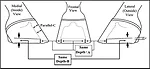
An experimental study using 6 normal horses was conducted to determine how much local anesthetic agents used for diagnostic nerve blocks might diffuse away from a point of injection on the lower limb. Also examined was the influence that hand walking on injection diffusion.
Read More
Horse

Tender Loving Footcare Needed with Older Horses

Reduced physical activity along with serious digestive system changes often lead to serious problems with deteriorating hooves with aging horses
It’s not at all unusual to see declining hoof conditions in older horses as the natural aging process takes its toll on equine body condition.
Read More

Dealing With Thin-Soled Shoes

Soles get thin for a variety of reasons figuring out which one is the key to treating a case properly
The sole is the guardian that shields the sensitive structures of the hoof from contact with the outside world. Acting as the primary barrier against ground surface trauma, it is designed to handle concussion naturally; however, it seems that this once efficient protector has become one of the most abused structures of a horse’s anatomy.
Read More
Hans Castelijns

Hoof-Care Learning from San Diego

Check out these valuable footcare ideas from the mid-December annual meeting of the American Association of Equine Practitioners
Properly assessing the foot is a critical part of evaluating form and function in terms of conformation, says Marvin Beeman.
Read More
Stephen Oâ??Grady

An Equine Foot Form and Function Review

Hall Of Fame equine vet stresses importance of anatomical relationships during clinic
Stephen O’Grady, the International Equine Veterinarian Hall Of Fame member, who operates Northern Virginia Equine in Marshall, Va., shared a variety of ideas with attendees at the Wisconsin Equine Practitioners Association fall continuing education recently.
Read More

Managing the Crooked Horse

Most equines are out of alignment one way or another — and a farrier can’t always fix it
Horses are very much like their owners in that they all tend to display some form of asymmetry, albeit in a wide and varied range. The most common causes of any lack of symmetrical proportion are continued habits of stance and movement.
Read More

Top Articles

Current Issue

View More

Current Issue

View More

Must Read Free Eguides

Download these helpful knowledge building tools

View More
Top Directory Listings