 Premium content is for our Digital-only and Premium subscribers. A Print-only subscription doesn't qualify. Please
American Farriers Journal
American Farriers Journal is the “hands-on” magazine for professional farriers, equine veterinarians and horse care product and service buyers.

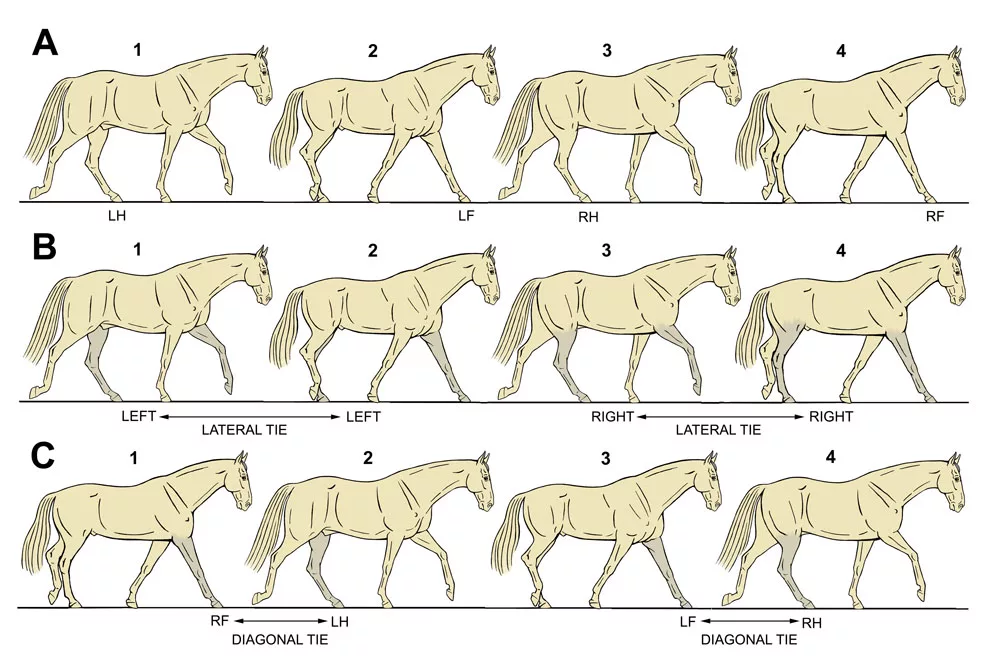
The walk is not just a “warm-up,” something the rider has to tolerate or endure because she’s read that muscles and joints have to be warmed up before the big athletic effort – the “real” riding – can begin.
Certainly, it’s foolish to take the horse straight out of the barn and demand that it work fast and hard without a preliminary warm-up. It doesn’t matter whether that would be before breezing at the track, jumping, pulling a vehicle, running barrels, making time on the road, cutting cattle or performing extended trot or sequence flying changes.
Some riders consider the walk to be “boring,” but if that’s the attitude, they are missing out on all the potentials that make the walk the most important training gait, so much so that it dwarfs all that can be accomplished at any other gait.
Practice at the walk makes precision riding possible. It also protects…

American Farriers Journal is the “hands-on” magazine for professional farriers, equine veterinarians and horse care product and service buyers.

American Farriers Journal is the “hands-on” magazine for professional farriers, equine veterinarians and horse care product and service buyers.
Download these helpful knowledge building tools


We are here to support you.
We stock a wide range of high-quality products from trusted brands to ensure durability, performance, and reliability in every job you undertake. Our extensive inventory of horseshoe products and farrier tools means you can find everything you need in one place, saving you time and effort. Your satisfaction is our top priority. We are committed to providing excellent customer service, prompt shipping, and hassle-free returns.
