 Premium content is for our Digital-only and Premium subscribers. A Print-only subscription doesn't qualify. Please
American Farriers Journal
American Farriers Journal is the “hands-on” magazine for professional farriers, equine veterinarians and horse care product and service buyers.

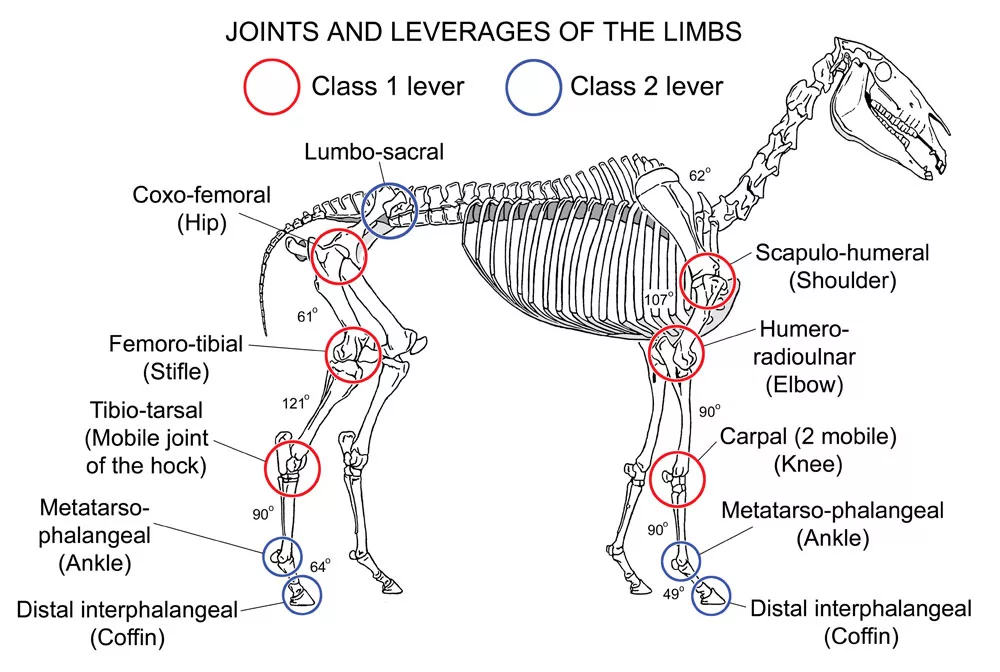
The horse in motion is the focus of gait study. When a horse moves, it must be in one gait or another. Over the next several issues, we will look in detail at all the gaits that horses commonly use to get from point “A” to point “B”.
There will be quite a few surprises — for example, that walk, trot and canter are not the only gaits. Different gaits represent different coordinations of the horse’s limbs. If we survey horse breeds worldwide, seven gaits — seven such coordinations, or they can be thought of as neuromuscular patterns — stand out as most important and most likely to be encountered by farriers.
As always, hoof strike, roll-through and breakover, weight-bearing and the concussion associated with it, are top concerns for farriers because they shape hoof growth and form. They vary widely between individuals, but all of them are the product of the way the animal moves. My primary purpose in offering this series of articles is to teach you how to identify all the different gaits and…

American Farriers Journal is the “hands-on” magazine for professional farriers, equine veterinarians and horse care product and service buyers.

American Farriers Journal is the “hands-on” magazine for professional farriers, equine veterinarians and horse care product and service buyers.
Download these helpful knowledge building tools


We are here to support you.
We stock a wide range of high-quality products from trusted brands to ensure durability, performance, and reliability in every job you undertake. Our extensive inventory of horseshoe products and farrier tools means you can find everything you need in one place, saving you time and effort. Your satisfaction is our top priority. We are committed to providing excellent customer service, prompt shipping, and hassle-free returns.
