
American Farriers Journal

View Archived Issues
January/February 2016
American Farriers Journal is the “hands-on” magazine for professional farriers, equine veterinarians and horse care product and service buyers.
-
Table Of Contents
Table Of Contents
Plenty Of Arguments For And Against Licensing
As some push for regulation, the courts and the White House eye limitsRead More
What It Took to Make American Pharoah Go
Customizing a half plate shoe to protect a bruise paid off for the Triple Crown winnerRead More Shoeing for a Living
Farrier’s Success Comes Through Diversity
By not focusing on particular disciplines, Arizona farrier Chad Lunderville has been able to grow his footcare practice over the past 20 yearsRead MorePreparation is Key to Rebuilding Walls
New York farrier provides his insights into making the best of a tough taskRead More
Booknotes: A Super Reference For Every Farrier’s Bookshelf
Scientific Horseshoeing (A reprint of the extremely rare 1906 ninth edition) By Professor William RussellRead MoreRestricting Foot Slide Causes P1 Fractures
Study finds surfaces and traction devices present a higher injury riskRead MoreConsiderations For Successful Management Of Underrun Heels
Two veterinarians and a farrier survey considerations for addressing this foot conditionRead MoreGive the Frog Proper Attention
Illinois farrier spends a lot of time examining and trimming the frog, and for good reasonRead More50 Best Farrier Takeaways Of 2015
Here’s a look back at a few of the top ideas that hoof-care professionals shared in the pages of American Farriers Journal during the past yearRead MoreMake an Informed Decision Before Packing a Foot
Understand when the materials are appropriate and when they’re notRead More
Feeding Your Clients Good Nutritional Advice
Helping novice owners establish a solid foundation will help you maintain a healthy footRead MoreLocal Spotlight: Horseshoe Barn Clinic Dissects Anatomy
Functional anatomy discussion focused on increasing farrier understanding of the inside of the foot for more informed trimming and shoeing decisionsRead MoreResearch Journal: January/Febreuary 2016
The information, ideas and opinions expressed are those of the author and do not necessarily represent those of the United States Department of Agriculture.Read More -
Featured Articles
Featured Articles
What It Took to Make American Pharoah Go
Customizing a half plate shoe to protect a bruise paid off for the Triple Crown winnerRead MoreShoeing for a LivingFarrier’s Success Comes Through Diversity
By not focusing on particular disciplines, Arizona farrier Chad Lunderville has been able to grow his footcare practice over the past 20 yearsRead More - Digital Edition
-
Online Extras
Online Extras

THIS MONTH'S DIGITAL SPONSORS:
Top Articles
Current Issue
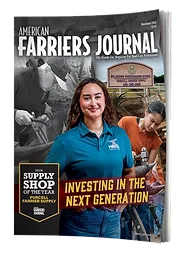
American Farriers Journal
American Farriers Journal is the “hands-on” magazine for professional farriers, equine veterinarians and horse care product and service buyers.
How Therapeutics & Equine Welfare Work Hand-in-Hand
Purcell Farrier Supply Earns Third-Annual Supply Shop of the Year
Purcell Helps Drive the Industry Forward
Current Issue

Special Report For Equine Veterinarians
American Farriers Journal is the “hands-on” magazine for professional farriers, equine veterinarians and horse care product and service buyers.
Must Read Free Eguides
Download these helpful knowledge building tools
- Spring Hoof Care
- Caring for Your Horse During a Pandemic
- CBD Products Have Promise for Farriers, but Buyer Beware
- Sharpening Knives with a Buffer
Videos

Organized & Efficient to Better Serve Farriers w/Oleo Acres: 2025 Supply Shop of the Year
Events
Foundations Clinic
Doc Foal's | The Black Pads

Sunrise Farrier Supply
We are here to support you.
We stock a wide range of high-quality products from trusted brands to ensure durability, performance, and reliability in every job you undertake. Our extensive inventory of horseshoe products and farrier tools means you can find everything you need in one place, saving you time and effort. Your satisfaction is our top priority. We are committed to providing excellent customer service, prompt shipping, and hassle-free returns.
