American Farriers Journal

View Archived Issues
July/August 2022
American Farriers Journal is the “hands-on” magazine for professional farriers, equine veterinarians and horse care product and service buyers.
-
Table Of Contents
Table Of Contents

 Shoeing for a Living
Haul-In Farrier Practice Thrives in an Unlikely Place
Jake Stonefield’s practice provides a controlled work environment in rural South DakotaRead More
Price Increase Best Way to Aid Profitability
A Survey of farriers shows how their business are trying to weather the economic stormRead More
U.S. Delays New Racetrack Horseshoeing Rules
Committee chair confirms ban on all traction devicesRead More In Memoriam
Remembering Bill Miller
Hall of Fame farrier was an enthusiastic champion of the hoof-care industryRead More
Benefits of the Omni-Directional Horseshoe
Extensive experience and knowledge are required before applicationRead More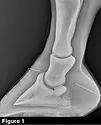
Challenges of Understanding Navicular Disease
A farrier identifies five confusing dilemmas about understanding navicular diseaseRead More
5 Basic Concerns When Shoeing “Sport” Horses
Hall of Fame farrier outlines considerations regardless of disciplineRead More Badass Rigs & Trailers
Converted Trailer Pays Dividends for Horseshoer
Pennsylvania farrier Will Aichele pulls a converted horse trailer that has paid for itself several times overRead More The Way It Was
Education and Entertainment When Lighting a Forge
The never-ending push for farriers to improve efficiency in their practiceRead MoreResearch Journal: July/August 2022
The information, ideas and opinions expressed are those of the author and do not necessarily represent those of the United States Department of Agriculture.Read More -
Featured Articles
Featured Articles
Shoeing for a LivingHaul-In Farrier Practice Thrives in an Unlikely Place
Jake Stonefield’s practice provides a controlled work environment in rural South DakotaRead More - Digital Edition
-
Online Extras
Online Extras
THIS MONTH'S DIGITAL SPONSORS:
Top Articles
Current Issue
American Farriers Journal
American Farriers Journal is the “hands-on” magazine for professional farriers, equine veterinarians and horse care product and service buyers.
How Therapeutics & Equine Welfare Work Hand-in-Hand
Purcell Farrier Supply Earns Third-Annual Supply Shop of the Year
Purcell Helps Drive the Industry Forward
Current Issue

Special Report For Equine Veterinarians
American Farriers Journal is the “hands-on” magazine for professional farriers, equine veterinarians and horse care product and service buyers.
Must Read Free Eguides
Download these helpful knowledge building tools
- Spring Hoof Care
- Caring for Your Horse During a Pandemic
- CBD Products Have Promise for Farriers, but Buyer Beware
- Sharpening Knives with a Buffer
Videos

Organized & Efficient to Better Serve Farriers w/Oleo Acres: 2025 Supply Shop of the Year
Events
Foundations Clinic
Doc Foal's | The Black Pads

Sunrise Farrier Supply
We are here to support you.
We stock a wide range of high-quality products from trusted brands to ensure durability, performance, and reliability in every job you undertake. Our extensive inventory of horseshoe products and farrier tools means you can find everything you need in one place, saving you time and effort. Your satisfaction is our top priority. We are committed to providing excellent customer service, prompt shipping, and hassle-free returns.
