
American Farriers Journal

View Archived Issues
April 2017
American Farriers Journal is the “hands-on” magazine for professional farriers, equine veterinarians and horse care product and service buyers.
-
Table Of Contents
Table Of Contents

Proactive Footcare for Limiting Hind Limb Lameness
Farrier Grant Moon finds that thorough evaluation and emphasis of the trim will improve likelihood for success for managing feetRead More

Understanding What You’re Seeing In Shoe Wear
Properly identifying and addressing issues shown through shoe wear will help the horse and build a good client relationshipRead More
Better Practices, Better Results
Hall Of Fame vet Scott Morrison shares valuable tips for improved footcareRead More
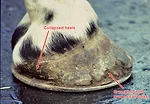
Proper Equine Diet Can Be a Difficult Balancing Act
Life Data Labs representative offers nutritional advice for horse ownersRead More
Feet Move, Nails Don’t
Place nails to accommodate the natural function of a hoof, not hinder itRead More
3 Areas Of Consideration For Better Use With Adhesives
Focusing on these core areas will deliver improved success when using these materialsRead More
Prepare Yourself for Fly Season
Entomologist offers tips to repel insects and improve your work areaRead More
What You Need To Know: Drill Bits And Taps
You likely haven’t thought much about your drill bits and taps, but this quick tutorial will help you save time and moneyRead MoreTherapeutic Uses for Copper Alloy Shoes
Farrier displays benefits of application with bacteria-killing propertiesRead More
It Came Down To A Half-Point
After winning the World Horseshoeing Classic by a slim margin, Team GB credits team efficiency and attitude for rallyRead More
How To Keep Your Equine Specimens Like New
Proper care will keep your skeletons and limb models in tip top shapeRead More
Research Journal: April 2017
The information, ideas and opinions expressed are those of the author and do not necessarily represent those of the United States Department of Agriculture.Read More -
Featured Articles
Featured Articles
Proactive Footcare for Limiting Hind Limb Lameness
Farrier Grant Moon finds that thorough evaluation and emphasis of the trim will improve likelihood for success for managing feetRead MoreBetter Practices, Better Results
Hall Of Fame vet Scott Morrison shares valuable tips for improved footcareRead MoreIt Came Down To A Half-Point
After winning the World Horseshoeing Classic by a slim margin, Team GB credits team efficiency and attitude for rallyRead More - Digital Edition
-
Online Extras
Online Extras

THIS MONTH'S DIGITAL SPONSORS:
Top Articles
Current Issue
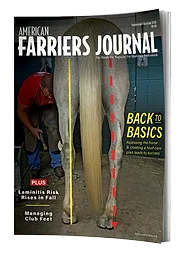
American Farriers Journal
American Farriers Journal is the “hands-on” magazine for professional farriers, equine veterinarians and horse care product and service buyers.
Thinking Beyond Breakover
Understanding Fall Equine Laminitis Risks
I Only Did What the Horse Owner Wanted: A Cautionary Tale
Current Issue

Special Report For Equine Veterinarians
American Farriers Journal is the “hands-on” magazine for professional farriers, equine veterinarians and horse care product and service buyers.
Must Read Free Eguides
Download these helpful knowledge building tools
- Spring Hoof Care
- Caring for Your Horse During a Pandemic
- CBD Products Have Promise for Farriers, but Buyer Beware
- Sharpening Knives with a Buffer
Videos

Organized & Efficient to Better Serve Farriers w/Oleo Acres: 2025 Supply Shop of the Year
Events
Foundations Clinic
Doc Foal's | The Black Pads

Sunrise Farrier Supply
We are here to support you.
We stock a wide range of high-quality products from trusted brands to ensure durability, performance, and reliability in every job you undertake. Our extensive inventory of horseshoe products and farrier tools means you can find everything you need in one place, saving you time and effort. Your satisfaction is our top priority. We are committed to providing excellent customer service, prompt shipping, and hassle-free returns.
