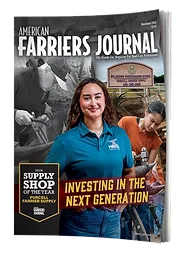
The start of your farrier career can be as intimidating as it is exciting. There are an endless amount of doors to step through if you’re willing to put in the work to open them.
“You have to remember that all these big names that we know and see around, they weren’t always at that level. They had to start somewhere,” says 2020 Rising Shoeing Star Gilad Friedman (Read more advice from fellow early-career farriers in “Set Yourself Up for Success” ).
That somewhere is here — seeking direction through the wisdom of others, finding your footing in an ever-changing industry and discovering which doors you want to pry open for yourself. Whether it be specialization in a discipline, becoming an educator or throwing yourself into competition, there is a place for you in the horseshoeing world.
Laying the Foundation
No matter your goals, it’s important to start your career off on the right foot. This means securing the physical tools, the business tools and the mental tools to succeed. In the 18th edition of American Farriers Journal ’s Getting Started in Hoof Care, you’ll find advice on rig setup and tool maintenance, on how to ensure your business is profitable and efficient, on the value of continuing education and on keeping your head above water.
Securing these foundational pillars of your business will help you build trust with yourself, your clients and in turn the horses you shoe.
Success & Fulfillment
Operating a business that satisfies both your wants and needs looks different for every farrier.
“A big part of success is how well you can handle all kinds of horses and make that horse feel at ease,” said the late Hall of Fame farrier Paul Goodness, in “A Good Apprenticeship Can Shape A Farrier’s Career”.
For some, fulfillment is tethered to work-life balance and efficiency.
“One of the lines that I’ve drawn is that I don’t work weekends anymore because I’m a family man,” says Brock, Texas, farrier Lee Olsen in “Protect Your Time & Set Boundaries with Clients”.
For others, success is in financial security.
“At the end of it, you’re left with what feels like just a wee little bit. That wee little bit is how you get ahead in life. That is the difference between horseshoers who are 70 years old and still working because they have to and ones who don’t have to do that,” says Paris, Ontario, farrier Andrew DeVisser in “Protect Your Profit Margin” .
No matter how you define a successful career, Getting Started in Hoof Care is here to help you achieve it. American Farriers Journal can provide you with the wisdom of horseshoers who have come before you, but it’s you and your peers who are shaping the future of hoof care.
So, pick a door and step through it.