Articles Tagged with ''Deb Bennett''

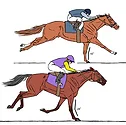
Fig 01 Gallop racehorse Flexor fatigue sm2.jpg
Biomechanics

The Gallop: Consequences for the Carpus & Hoof

How conformation, muscle fatigue & farriery choices influence joint stress & long-term soundness
The very fact that a horse is called upon to gallop implies a high level of athletic demand, higher than that typically required by the walk, amble or trot gaits that we have previously reviewed in this series. In our last installment, we detailed the biomechanics and stride characteristics of galloping. This prepares us to now take a closer view of some possible side effects of galloping, especially as they relate to the hoof but also to the horse’s carpal joint or “knee.”
Read More
Dr Deb Bennett 200x.png
International Hoof-Care Summit

Exclusive Behind-the-Scenes Museum Bonus Tour

Building off of her Summit presentations, Dr. Deb Bennett of the Equine Studies Institute, and Dr. Robert M. Timm, curator emeritus of the University of Kansas Museum of Natural History in Lawrence, Kan., lead a private behind-the-scenes guided tour of the museum’s Mammals Division.
Read More
Dr Deb Bennett 200x.png
International Hoof-Care Summit

Supporting the Hoof, Supporting the Client

Dr. Deb Bennett of the Equine Studies Institute offers insights from 40 years of horsemanship experience in specific areas that are especially helpful to farriers. She offers effective, humane approaches to problems such as a horse that wants to pull back when tied, or that bites, balks, kicks, or strikes, as well as how to effectively teach a horse to pick up its foot and hand it to the farrier.
Read More
F1_Bennett8.jpg

Equine Reciprocating Systems: Do You Know the Nuts and Bolts of the “Orthopedic Trim?”

Farriers test their knowledge about how the forelimb functions
Over much of the past year, through this series I have presented the building blocks of information needed to understand the structure of the forelimb reciprocating apparatus in horses. Starting from collagen and elastin at the molecular level and working through all the various connective tissues structured by those two molecules, you have had the opportunity to learn equine anatomy and terminology as enrolled university zoology, pre-medicine or pre-veterinary majors would.
Read More

Top Articles

Current Issue

View More

Current Issue

View More

Must Read Free Eguides

Download these helpful knowledge building tools

View More
Top Directory Listings