American Farriers Journal
American Farriers Journal is the “hands-on” magazine for professional farriers, equine veterinarians and horse care product and service buyers.

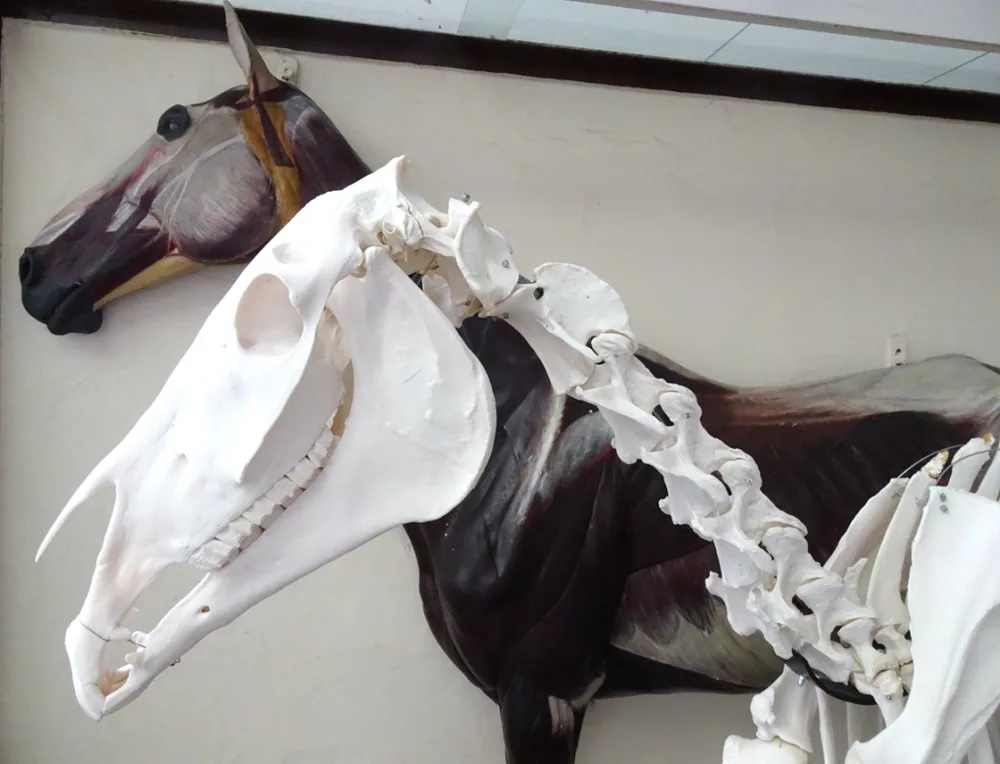
Figure 1: The equine cervical spine consists of seven vertebrae. Image: Dr. Jenny Hagen
In farrier practice, horses with poor gait quality and atypical lameness are frequently presented to the farrier with the expectation of improving the motion pattern.
Usually, the owners complain about stumbling in the front limbs, striking the contralateral limb, short strides, asymmetries in flight arc and step length, toe dragging or hind limb lameness without a clear diagnosis. Often, in these cases, the farrier is asked to improve breakover, trim differently to change the landing pattern or hoof angle, to modify the weight of the shoe or to do any kind of shoe modification to solve the problem.
Although there’s no doubt that farriers can positively support the horse with trimming and shoeing. The question is whether the primary origin of the stated symptoms is related to the distal limb. This article aims to determine whether improving poor gait quality or atypical lameness is the responsibility of the farrier and can be improved with a change in trimming and shoeing. Or is there another reason for the symptoms that cannot be solved by the farrier’s work?
Poor Gait Quality in the Front Limbs Due to Neck Problems
Disorders of the cervical spine can cause frequent stumbling, intermittent lameness, and short or asymmetric strides. The equine cervical spine consists of seven vertebrae (Figure 1).
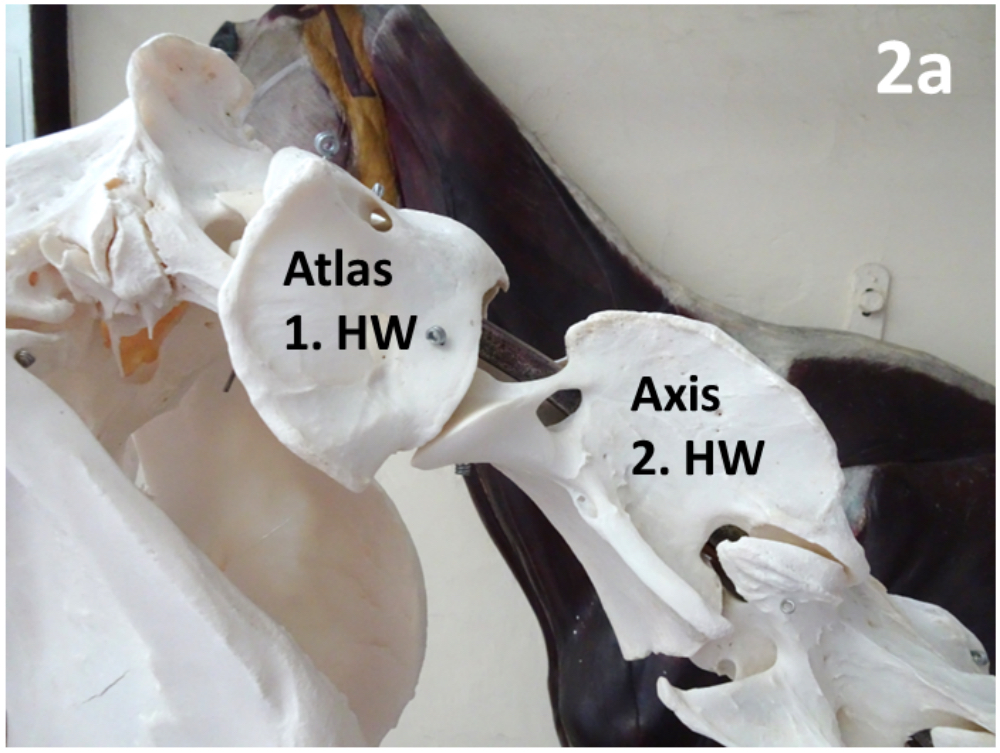
Figure 2a: The first and second cervical vertebrae (atlas) and their articulations (atlantooccipital and atlantoaxial joint). Image: Dr. Jenny Hagen
The first cervical vertebra is the atlas, which connects to the condyles of the occiput…

American Farriers Journal is the “hands-on” magazine for professional farriers, equine veterinarians and horse care product and service buyers.

American Farriers Journal is the “hands-on” magazine for professional farriers, equine veterinarians and horse care product and service buyers.
Download these helpful knowledge building tools


We are here to support you.
We stock a wide range of high-quality products from trusted brands to ensure durability, performance, and reliability in every job you undertake. Our extensive inventory of horseshoe products and farrier tools means you can find everything you need in one place, saving you time and effort. Your satisfaction is our top priority. We are committed to providing excellent customer service, prompt shipping, and hassle-free returns.
