Takeaways

  • Successful farriers do not rely on a one-size-fits-all approach; instead, they create a custom hoof-care plan tailored to the specific needs, conformation and usage of every individual horse.
  • It’s essential to combine a conformation assessment with observations of the horse in motion to see how it lands, loads and moves.
  • Visualizing plumb lines from the front, rear and side allows farriers to identify conformational imbalances and determine the specific trim and shoeing adjustments required to correct them.

Successful farriers develop an individual plan for every horse they shoe.

When preparing to shoe a horse for the first time, there’s a checklist to chart a course for its success. Some basic information is needed from the owner and your inspection of the horse.

Visually, take a quick conformation assessment. Information like age, use or problems is necessary to be aware of. This information will guide your thought process to formulate the right plan for this horse.

It’s essential to see a horse walk to assess how it lands, loads and moves forward. For example, it’s not normal for a horse to land toe first on one or both front feet. So, what options should be considered when trimming and shoeing?

If the hind feet are swinging inward, what are those consequences, and what will you consider doing about that? If there happens to be a head nod or hip hike, we should at least point that out before continuing to work, then check the appropriate foot for a reason.

Plumb Lines

Next, take a quick walk around the horse while it’s in a neutral stance, and observe its conformational features. That, coupled with your observation of how the horse moved, will paint a picture of what may need to be done with the trim and shoe type for an optimal result. 

Visualizing plumb lines from the front, rear and side views guides what the trim needs to accomplish. For example, if the side view plumb line from the shoulder falls behind the untrimmed front foot, that needs to be remedied.

When viewed from the front, if the plumb line from the chest falls well inside the front hooves, you would expect that horse to interfere if you do not adjust the trim and shoe fit.


“Successful farriers develop an individual plan for every horse…”


While looking at the rear of the horse, if the feet are inside a plumb line descending from its hips, you should be concerned that the horse is not using its hind end well and may overload its front feet. What is a shoeing strategy to help that?

The general direction should be shaping up at this point. Next is some information from the owner. If you have not asked already, understanding the horse’s behavior is something you should know. Two necessary questions are: Has this horse been trimmed or shod before, and how does it act? Are there lameness or gait problems to be aware of? What does the owner do with the horse? It could be a basic trail horse needing protection or a specialized high-performance horse that needs shoes to enhance their work.

This sounds time-consuming, but it only takes a few extra minutes and is valuable information for success. You can possibly save some time by asking some of the questions ahead of the appointment.

Road Maps & Red Flags

It’s advantageous to walk around and pick up all the feet. Another assessment begins here.

On a barefoot horse, the wear and growth patterns likely will be what you expected after your earlier observations. If not, ask yourself why. If the horse has shoes, the wear, shoe type and fit will either provide a good road map to follow or give you an idea of what needs adjustments. Excessive uneven wear is a red flag. Remember, you do not know what the previous farrier had to work with.

Assessing-the-Horse-for-Success-2.jpg

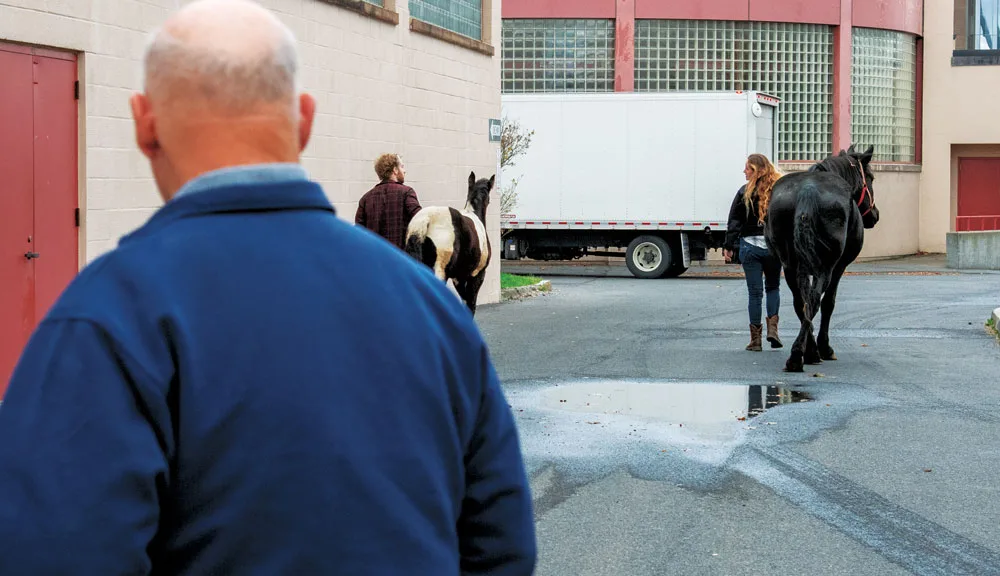
Visualizing plumb lines guide what the trim should accomplish. When a horse’s feet are positioned in front of the plumb line, it’s standing under itself. These horses typically have a negative plantar angle. Steve Kraus

As you start trimming, you should take note of flares, excessive heel heights or disproportional toe lengths. Are there growth lines that are either normal or wavy? Is the coronary band straight or pushed upward? If your initial observations are done well, you’ll see what you expected.

Learn More Online

Gain more insight from Steve Kraus at AmericanFarriers.com/0926

Trim the first pair of feet and assess your work. When the shoes are shaped, you have the pattern to follow. Are modifications needed to help the stance or hoof geometry that the trim cannot accomplish?

By now, you should have a plan formulated about what you expect to accomplish with your trim, shoe selection, fit and modifications. In part two, we will discuss efficient shoe shaping and attaching procedures.

Cause & Effect

Once you have done all that, it’s important to assess your work. Just like before, walk around the horse and see if the stance has improved. Have the horse walk away from you, back and past to see the side view.

With your knowledge of cause and effect, did you influence what you could and accomplish what you expected?


“Excessive uneven wear is a red flag…”


If possible, feedback from the rider is usually helpful. If the rider reports that the horse has better movement and seems happier in its work, you did your job well. Some of the most rewarding aspects of shoeing horses are when the rider reports their recent successes after you have shod their horse.

When farriery is done well and appropriate for a horse, it does not lie. Your thoughtful work was the only thing that was changed here. This is the difference between shoeing feet and shoeing horses.