
American Farriers Journal

View Archived Issues
April 2021
American Farriers Journal is the “hands-on” magazine for professional farriers, equine veterinarians and horse care product and service buyers.
-
Table Of Contents
Table Of Contents

Improve Your Forge Work with the 4 Stages of Learning
Understanding the “Conscious Competence Ladder’ can help you navigate the highs and lows of learning a skillRead More
Anatomical Knowledge is the Foundation to Understanding Biomechanics
Optimal performance requires balanced interaction of all elements of the distal limbRead More
What are Your Options for Achieving the Benefits of a Sidebone Shoe?
Alternatives are affordable, but forging experience is a mustRead More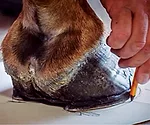
How to be Successful When Using Hoof Boots
Knowledge of alternative footgear options will expand a hoof-care professional’s toolboxRead More
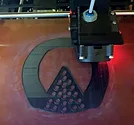
South African Farrier Sees Great Potential in 3D Printing
Improving technology leads to better quality materials and faster productionRead More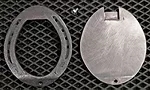
How to Make a “Farley” Hospital Plate
This nine-step instructional will help farriers fabricate a “Farley plate” to help horses in various therapeutic needs.Read More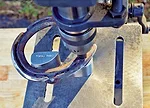
Tips for Drilling and Tapping Horseshoes
Save time and money by employing better practices in a deceptively difficult approachRead More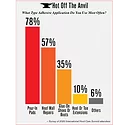
Steps to Make a High Scoring Square Toe Horseshoe
Master shoe modifications before taking the certified farrier examRead More Badass Rigs & Trailers
Small Trailer Adds to Career Longevity
Using smaller trailers has saved wear and tear to lengthen Indiana farrier’s shoeing careerRead More News & Notes
Three Up-and-coming Farriers are Honored for Early Career Success
Rising Shoeing Stars share the lessons they have learned since graduationRead More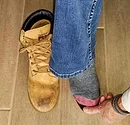
A Shoe Fit for a Farrier
Conformation is an important consideration when choosing equine and human footwearRead MoreResearch Journal: April 2021
The information, ideas and opinions expressed are those of the author and do not necessarily represent those of the United States Department of Agriculture.Read More -
Featured Articles
Featured Articles
Improve Your Forge Work with the 4 Stages of Learning
Understanding the “Conscious Competence Ladder’ can help you navigate the highs and lows of learning a skillRead MoreSouth African Farrier Sees Great Potential in 3D Printing
Improving technology leads to better quality materials and faster productionRead MoreHow to Make a “Farley” Hospital Plate
This nine-step instructional will help farriers fabricate a “Farley plate” to help horses in various therapeutic needs.Read More - Digital Edition
-
Online Extras
Online Extras

THIS MONTH'S DIGITAL SPONSORS:
Top Articles
Current Issue
American Farriers Journal
American Farriers Journal is the “hands-on” magazine for professional farriers, equine veterinarians and horse care product and service buyers.
How Therapeutics & Equine Welfare Work Hand-in-Hand
Purcell Farrier Supply Earns Third-Annual Supply Shop of the Year
Purcell Helps Drive the Industry Forward
Current Issue

Special Report For Equine Veterinarians
American Farriers Journal is the “hands-on” magazine for professional farriers, equine veterinarians and horse care product and service buyers.
Must Read Free Eguides
Download these helpful knowledge building tools
- Spring Hoof Care
- Caring for Your Horse During a Pandemic
- CBD Products Have Promise for Farriers, but Buyer Beware
- Sharpening Knives with a Buffer
Videos

Organized & Efficient to Better Serve Farriers w/Oleo Acres: 2025 Supply Shop of the Year
Events
Foundations Clinic
Doc Foal's | The Black Pads

Sunrise Farrier Supply
We are here to support you.
We stock a wide range of high-quality products from trusted brands to ensure durability, performance, and reliability in every job you undertake. Our extensive inventory of horseshoe products and farrier tools means you can find everything you need in one place, saving you time and effort. Your satisfaction is our top priority. We are committed to providing excellent customer service, prompt shipping, and hassle-free returns.
