“Every cell in the horse’s body is like a tiny battery-powered factory,” says Eleanor Kellon, VMD, of the Equine Cushing’s and Insulin Resistance Group. “Like all batteries, it depends on a very specific balance of ions (minerals) to operate. The factory is fueled by calories in the form of carbohydrates, fats, protein and fermentation products from the hindgut. These are used to manufacture the products it needs – enzymes, membranes and proteins of many types.”
Hoof growth is influenced by age, breed, genetics, metabolic rate, exercise, external temperature, environmental moisture, illness, trimming and shoeing. In addition, a balanced diet with the necessary vitamins, minerals and protein are vital for strong, healthy hoof horn.
Components like vitamins A and E, copper, zinc, calcium, omega-3 fatty acids, protein, collagen, keratin and biotin help maintain the equine factory. They all play unique roles in overall horse health, and deficiencies may show up as:
- Poor coat that appears dull with hair that breaks easily, grows slowly or sheds frequently.
- Loss of muscle, especially along the topline, which may affect conformation and performance.
- Low energy levels.
- Slow-growing hooves that split, crack or flake.
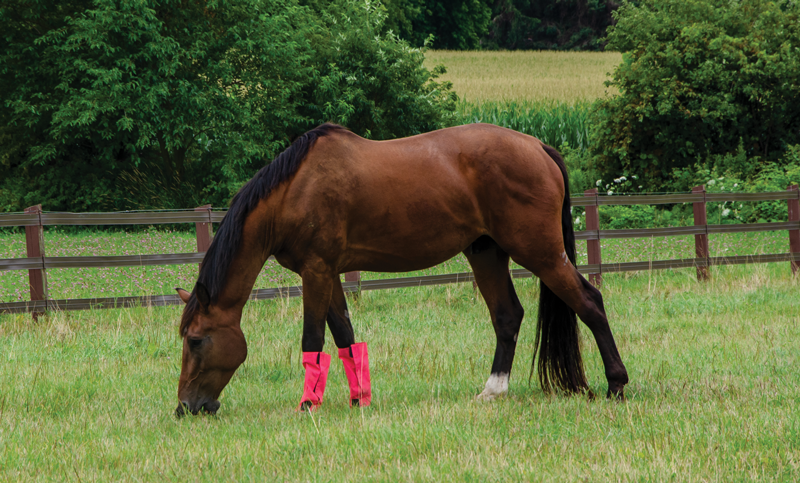
It’s important to monitor a horse’s food intake daily. A horse should be introduced to lush green pasture gradually and on a limited basis to avoid triggering the laminitic process.
“Vitamin A is essential in promoting keratin synthesis with a direct impact on the stratum medium in the hoof wall,” says Dr. Richard Godbee, equine nutritionist with Core Balance. “It’s also important in collagen synthesis, needed for the suspensory apparatus. Vitamin E is an antioxidant that protects against oxidative stress, protecting keratinocytes from cell damage. It’s also important in membrane integrity.”
Copper contributes to the elasticity of connective tissue, while zinc protects the cell membranes of collagen fibers, both contributing to the repair and maintenance of tendons, ligaments, cartilage and skin. Collagen, along with keratin, biotin and calcium, are vital to the structure of the hoof wall, keeping it intact and capable of supporting the demands on the horse.
Protein is built from amino acids, such as lysine and methionine, and are crucial for energy, muscle growth and body maintenance. Excess methionine causes a depletion of iron, copper and zinc. Copper, along with vitamin C, is necessary for the formation of collagen to build the healthy connective tissue essential for strong hooves and joints.
“There are 10 amino acids that are essential to horses. This means they have to be provided in the diet because the horse can’t manufacture enough on their own,” says Jessica Normand, senior marketing manager at Land O’Lakes. “Lysine is considered the ‘most limiting’ amino acid. This means that if you don’t provide enough lysine, you limit the horse’s ability to make protein from the rest of the amino acids in his diet.”
In addition to benefiting overall health, omega-3 fatty acids help a horse’s body mount a healthy response to inflammation, including healing from a laminitic attack or a systemic illness. Because of this, sources of omega-3s such as flax seed and fish oil may benefit laminar health, Normand says.
Poor nutrition negatively impacts every cell in the horse’s body, but the hooves are one of the first places it’s noticed. Since farriers see horses on a routine schedule, they can spot small issues and help correct them before they become large issues.
“Healthy hooves with dense hoof walls are more resilient to invasion by ‘hoof-eating’ bacteria and fungi, thereby decreasing the incidence of white line disease and crumbling hoof walls,” says Scott Gravlee, DVM, of Life Data Labs.
Gain more insight by reading “Farriery & the Equine Gut: How Nutrition Supports the Hoof" in the September/October 2025 issue of American Farriers Journal