 Premium content is for our Digital-only and Premium subscribers. A Print-only subscription doesn't qualify. Please
American Farriers Journal
American Farriers Journal is the “hands-on” magazine for professional farriers, equine veterinarians and horse care product and service buyers.

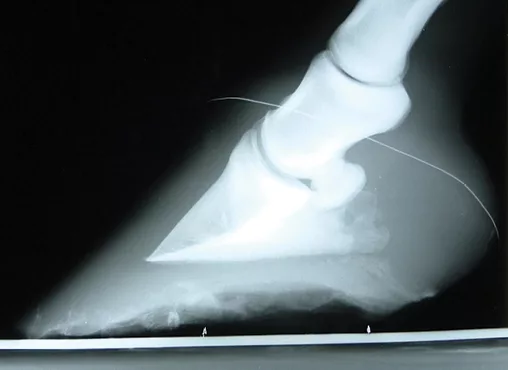
I wrote an article in the late 1980s on the development of the third phalanx (P3) from a neonate to an adult of 3 years of age. That article went into the stages of morphological development from the dorsal surface to the cup on the bottom and the palmar processes (wing tips). That developmental process is dependent on the animal having a somewhat normal weight-bearing posture. Excessive, abnormal, or focused compression features should not exceed osmotic cellular pressures, ensuring that the growth period occurs in a timely and correct manner. This excessive compression process is similar to a tourniquet, bed sores or other pressure necrosis.
“Our services are based on anecdotal evidence that shorter is always better …”
Oftentimes, when viewing radiographs, you can…

American Farriers Journal is the “hands-on” magazine for professional farriers, equine veterinarians and horse care product and service buyers.

American Farriers Journal is the “hands-on” magazine for professional farriers, equine veterinarians and horse care product and service buyers.
Download these helpful knowledge building tools


We are here to support you.
We stock a wide range of high-quality products from trusted brands to ensure durability, performance, and reliability in every job you undertake. Our extensive inventory of horseshoe products and farrier tools means you can find everything you need in one place, saving you time and effort. Your satisfaction is our top priority. We are committed to providing excellent customer service, prompt shipping, and hassle-free returns.
