
American Farriers Journal

View Archived Issues
January/February 2019
American Farriers Journal is the “hands-on” magazine for professional farriers, equine veterinarians and horse care product and service buyers.
-
Table Of Contents
Table Of Contents


Bob Marshall Emphasizes the Fundamentals of Hoof Care
Hall of Fame Farrier Shares 60 Years of Experience with Forging and Shoeing TipsRead More Shoeing For A Living
Don’t Limit Your Hoof-Care Options
Hall Of Fame farrier Danvers Child wants as many tools at his disposal as possible to benefit the horse.Read More
When are Clips Appropriate and Inappropriate?
Usage should be determined on a horse-by-horse basisRead More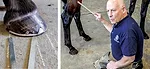
Chalk Lines Help Determine Trim
See how the golden ratio helps farrier Steve Kraus of Cornell University teach students how to develop their eye for trimmingRead More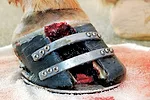 Case Study
Keratoma Case Report: Trail Riding Horse
Team approach and addressing sound shoeing principles help horse recover from keratomaRead More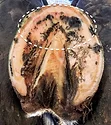
Add Mechanical Advantage into a Horseshoeing Prescription
Reducing concussion and understanding how the ground distributes energy is criticalRead More
Correcting Foals’ Limbs Without Surgery
Ontario farrier finds rapid results in straightening angular limb deformitiesRead More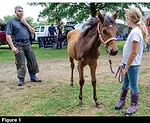
Two Ideas for Foal Extensions
At the 2018 Forge of July farrier gathering, veterinarian and farrier Scott Fleming shows two solutions he uses to correct toed-in foalsRead More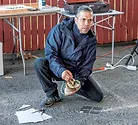
Practical Advice for Reading the Horse
At the Northeast Association of Equine Practitioners meeting, Swiss farrier Stefan Wehrli discussed his thorough plan for evaluating a horseRead More
Hoof Care for the Nervous Horse
Patience is the key to earning the trust and respect of anxious horsesRead More
Understand the 4 Facets of Wealth Management
Your money management skills are as important as your hoof-care servicesRead More
What Were Farriers’ Online Footcare Interests in 2018?
Here’s a look at the “most viewed” content during the past year that appeared on the American Farriers Journal’s digital media platformsRead More
Research Journal: January/February 2019
The information, ideas and opinions expressed are those of the author and do not necessarily represent those of the United States Department of Agriculture.Read More -
Featured Articles
Featured Articles
Bob Marshall Emphasizes the Fundamentals of Hoof Care
Hall of Fame Farrier Shares 60 Years of Experience with Forging and Shoeing TipsRead MoreShoeing For A LivingDon’t Limit Your Hoof-Care Options
Hall Of Fame farrier Danvers Child wants as many tools at his disposal as possible to benefit the horse.Read MoreCorrecting Foals’ Limbs Without Surgery
Ontario farrier finds rapid results in straightening angular limb deformitiesRead More - Digital Edition
-
Online Extras
Online Extras

THIS MONTH'S DIGITAL SPONSORS:
Top Articles
Current Issue
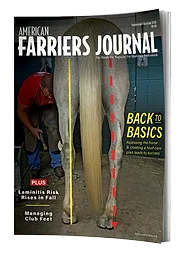
American Farriers Journal
American Farriers Journal is the “hands-on” magazine for professional farriers, equine veterinarians and horse care product and service buyers.
Thinking Beyond Breakover
Understanding Fall Equine Laminitis Risks
I Only Did What the Horse Owner Wanted: A Cautionary Tale
Current Issue

Special Report For Equine Veterinarians
American Farriers Journal is the “hands-on” magazine for professional farriers, equine veterinarians and horse care product and service buyers.
Must Read Free Eguides
Download these helpful knowledge building tools
- Spring Hoof Care
- Caring for Your Horse During a Pandemic
- CBD Products Have Promise for Farriers, but Buyer Beware
- Sharpening Knives with a Buffer
Videos

Organized & Efficient to Better Serve Farriers w/Oleo Acres: 2025 Supply Shop of the Year
Events
Foundations Clinic
Doc Foal's | The Black Pads

Sunrise Farrier Supply
We are here to support you.
We stock a wide range of high-quality products from trusted brands to ensure durability, performance, and reliability in every job you undertake. Our extensive inventory of horseshoe products and farrier tools means you can find everything you need in one place, saving you time and effort. Your satisfaction is our top priority. We are committed to providing excellent customer service, prompt shipping, and hassle-free returns.
