

American Farriers Journal

View Archived Issues
March 2021
Volume: 47
Edition: 2
American Farriers Journal is the “hands-on” magazine for professional farriers, equine veterinarians and horse care product and service buyers.
-
Table Of Contents
Table Of Contents

Tips for Recognizing and Creating Equine Hoof Shapes
Training your eye to understand the contours of the foot is critical to forging it at the anvilRead More Shoeing for a Living
Shoeing Sport Horses with Ty Garner
Shoeing top performance horses requires creative solutions and pursuing solid basicsRead More
Tips for Tuning Punches
Arkansas farrier and American Farriers Team member Adam Fahr explains his approach to maintaining this critical toolRead More
Supporting the Horse’s Foot with a Horseshoe
When a horse needs ‘support,’ are farriers and clients on the same page for what this means?Read More
Congratulations to the 2021 Hall of Fame Inductees
Horseshoer/educator and veterinarian researcher are selected by their peers for top honorsRead More
How Horseshoe Modifications Change Pressure Distribution at the Hoof’s Weight-Bearing Surface
Research suggests compromises to counteract unintended side effects of therapeutic applicationsRead More
Liability Can Ruin a Farrier Business
Understanding the different legal issues that might arise enables horseshoers to protect their practiceRead More In Memoriam
Hall of Fame Farrier Fred Cleveland
Virginia horseshoer is remembered for his skill and sense of humorRead More
Mail-In Exercise Challenge Deadline Extended
Evaluate and improve on your forging skills while making a hind to help a horse that may pull a front shoe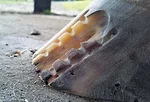
How Woodworking Techniques Can Aid Hoof Crack Repairs
Washington state farrier’s ladder method stabilizes capsule defectsRead More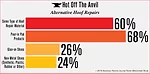
 Badass Rigs & Trailers
Farrier Rig Stands the Test of Time
Everything is within reach in the 20-year-old set up designed by a Phoenix-based shoerRead More
A Sound Farrier Needs Proper Fitting Shoes
Incorrectly sized footgear fails to support your back, hips and jointsRead More
Should Farriers Avoid Removing the Periople?
The membrane protects the hoof, but it could be at risk for infectionRead MoreResearch Journal: March 2021
“The information, ideas, and opinions expressed are those of the author and do not necessarily represent those of the United States Department of Agriculture."Read More -
Featured Articles
Featured Articles
Tips for Recognizing and Creating Equine Hoof Shapes
Training your eye to understand the contours of the foot is critical to forging it at the anvilRead MoreShoeing for a LivingShoeing Sport Horses with Ty Garner
Shoeing top performance horses requires creative solutions and pursuing solid basicsRead MoreHow Woodworking Techniques Can Aid Hoof Crack Repairs
Washington state farrier’s ladder method stabilizes capsule defectsRead More - Digital Edition
-
Online Extras
Online Extras

THIS MONTH'S DIGITAL SPONSORS:
Top Articles
Current Issue
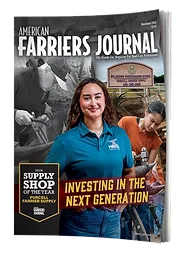
American Farriers Journal
American Farriers Journal is the “hands-on” magazine for professional farriers, equine veterinarians and horse care product and service buyers.
How Therapeutics & Equine Welfare Work Hand-in-Hand
Purcell Farrier Supply Earns Third-Annual Supply Shop of the Year
Purcell Helps Drive the Industry Forward
Current Issue

Special Report For Equine Veterinarians
American Farriers Journal is the “hands-on” magazine for professional farriers, equine veterinarians and horse care product and service buyers.
Must Read Free Eguides
Download these helpful knowledge building tools
- Spring Hoof Care
- Caring for Your Horse During a Pandemic
- CBD Products Have Promise for Farriers, but Buyer Beware
- Sharpening Knives with a Buffer
Videos

Organized & Efficient to Better Serve Farriers w/Oleo Acres: 2025 Supply Shop of the Year
Oleo Acres Farrier and Blacksmith Supply owner Rob Michel walks viewers through the Littleton, Colo., warehouse. Inventory is organized with the customer in mind. If the product is in stock and easy to find, farriers can spend more time under a horse, which Michel says is more money in your pocket.
Events
Foundations Clinic
Date: 10/23/26
Location: Fenwick, NS
View Event
Top Directory Listings
Doc Foal's | The Black Pads
At Doc Foal's, we manufacture The Black Pads and The Black Pads PLUS (featuring embedded magnets and copper). Our hybrid pads work seamlessly with your choice of conventional horseshoe, combining metal for structure with polyurethane for exceptional comfort and shock absorption.
Designed as a...

Sunrise Farrier Supply
We are here to support you.
We stock a wide range of high-quality products from trusted brands to ensure durability, performance, and reliability in every job you undertake. Our extensive inventory of horseshoe products and farrier tools means you can find everything you need in one place, saving you time and effort. Your satisfaction is our top priority. We are committed to providing excellent customer service, prompt shipping, and hassle-free returns.

Equilox International
Equilox International Inc. specializes in equine horse hoof adhesives. Developed in 1988 after many trials and extensive research at leading universities and equine centers throughout the U.S., the Equilox Adhesive Hoof Repair System was originally used to treat competitive horses. Now, Equilox Adhesive is used by farriers, equine centers, and horse owners — as well as various zoo and wildlife centers — throughout the world.